Masterworks
The World's Most Famous Artworks
Comprehensive guides to the paintings, sculptures, and artefacts the world searches for most — history, location, and what makes each masterpiece extraordinary.
50 artworks in the guide
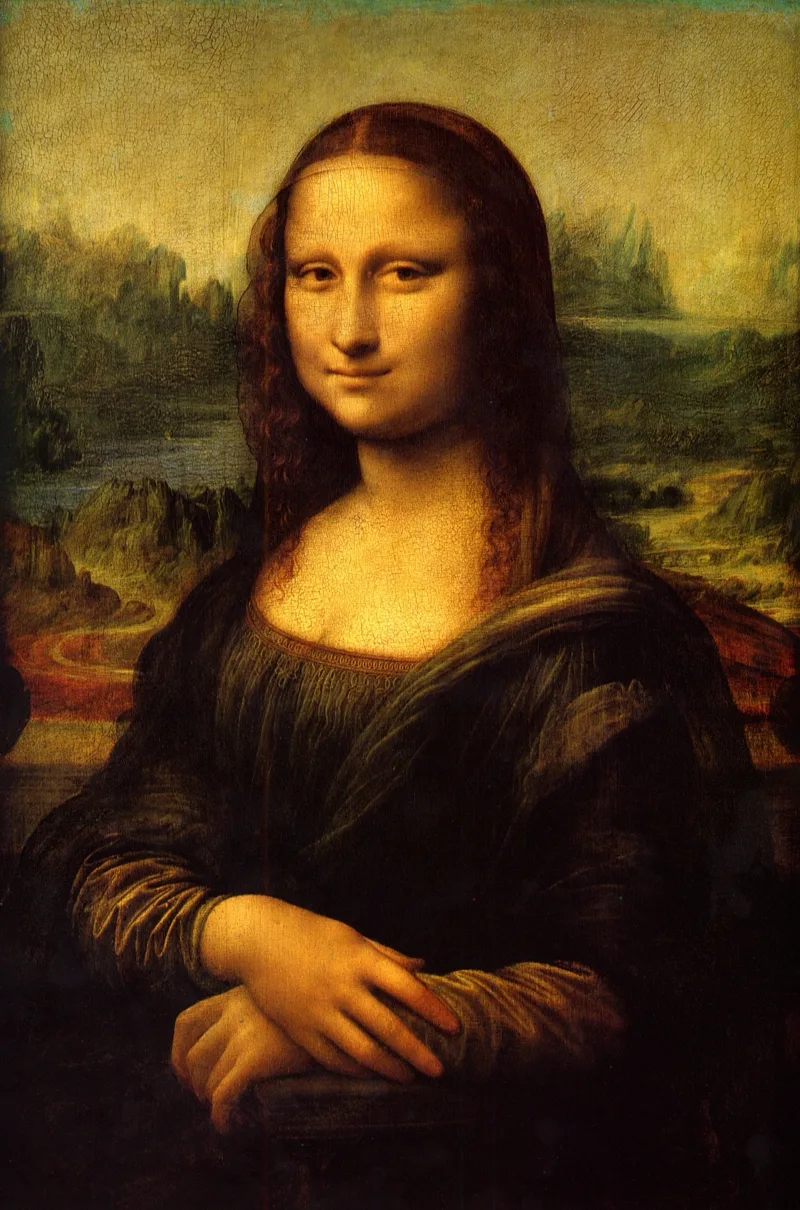
Leonardo da Vinci · c. 1503–1519
Mona Lisa
The Louvre · Paris
The Mona Lisa is a painting by Italian Renaissance artist Leonardo da Vinci, created between approximately 1503 and 1519…
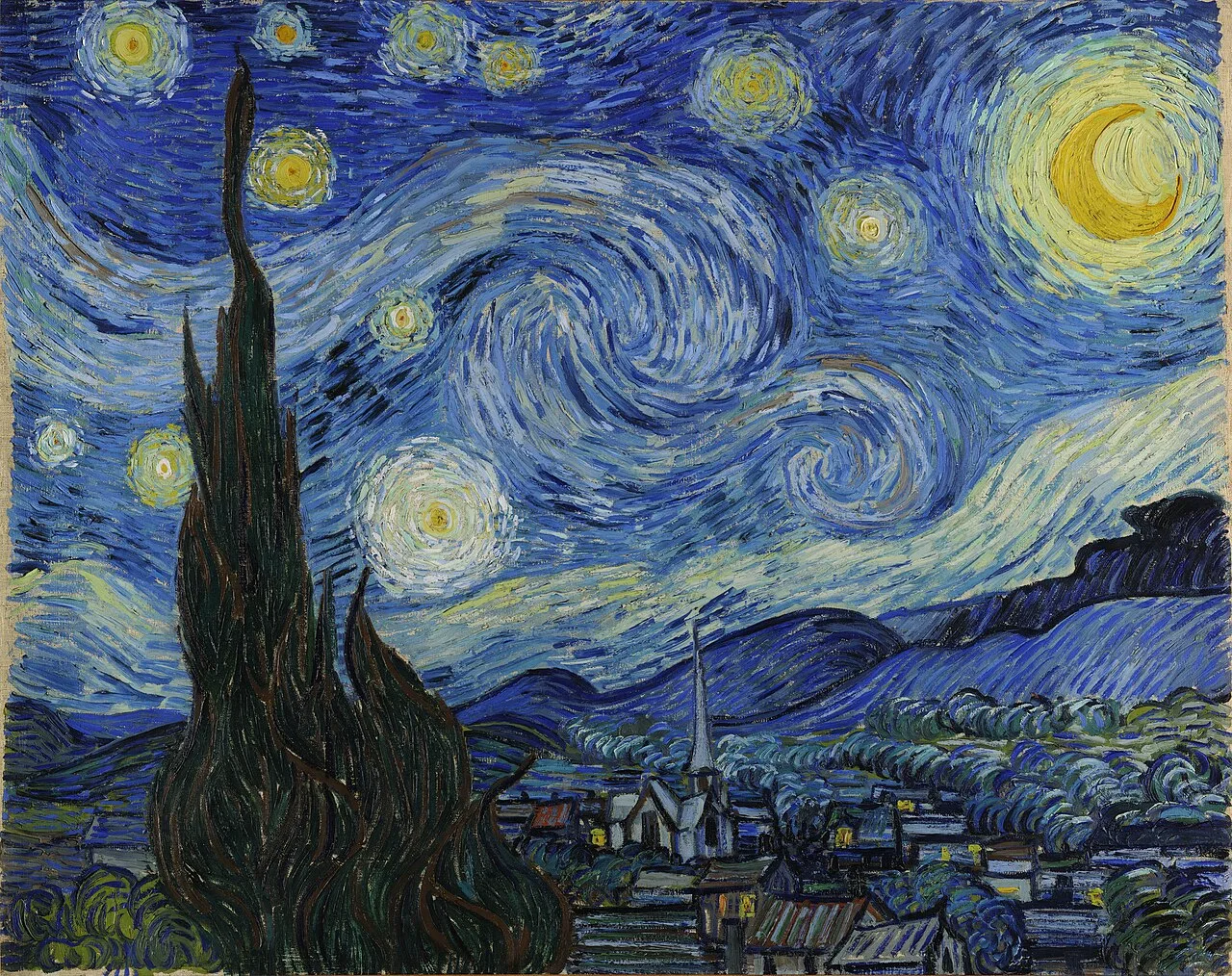
Vincent van Gogh · 1889
The Starry Night
Museum of Modern Art (MoMA) · New York
The Starry Night is an oil-on-canvas painting by Dutch Post-Impressionist artist Vincent van Gogh, painted in June 1889 …
Sandro Botticelli · c. 1484–1486
The Birth of Venus
Uffizi Gallery · Florence
The Birth of Venus is a tempera painting by Italian Renaissance artist Sandro Botticelli, created around 1484–1486 for t…
Guernica
Pablo Picasso
Image under copyright
Pablo Picasso · 1937
Guernica
Museo Reina Sofía · Madrid
Guernica is a large oil painting by Spanish artist Pablo Picasso, created in 1937 as a response to the bombing of the Ba…
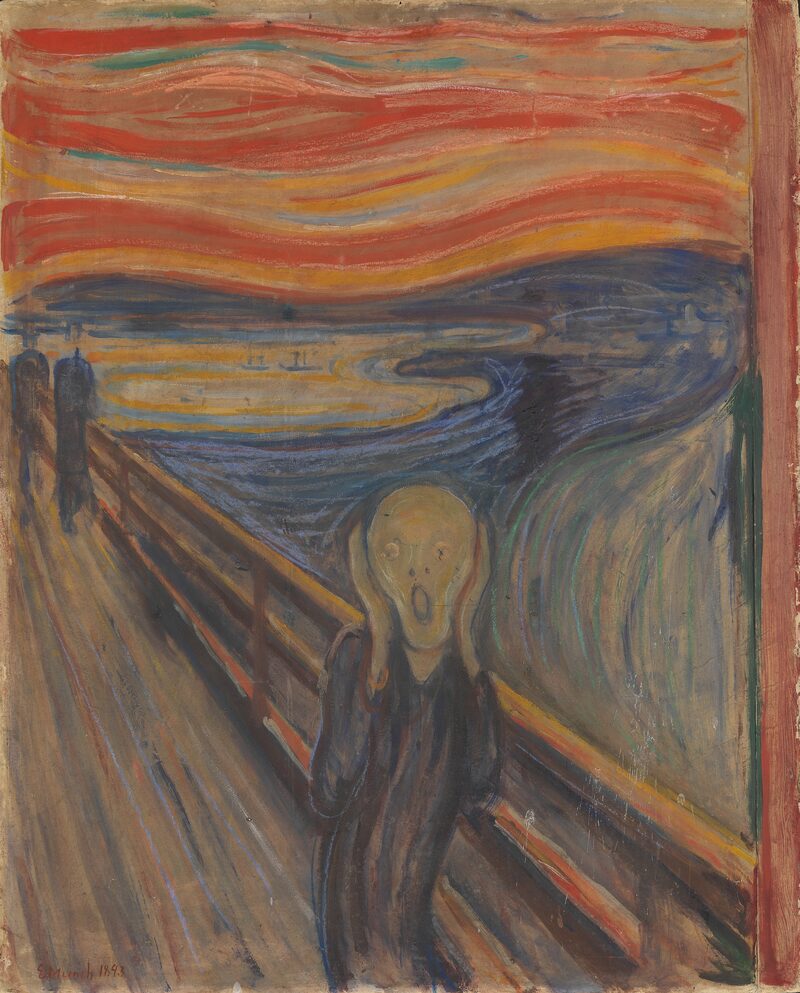
Edvard Munch · 1893
The Scream
National Museum of Norway · Oslo
The Scream is a series of expressionist compositions by Norwegian artist Edvard Munch, created in versions between 1893 …
Johannes Vermeer · c. 1665
Girl with a Pearl Earring
Mauritshuis · The Hague
Girl with a Pearl Earring is an oil painting by Dutch Golden Age artist Johannes Vermeer, created around 1665. It depict…
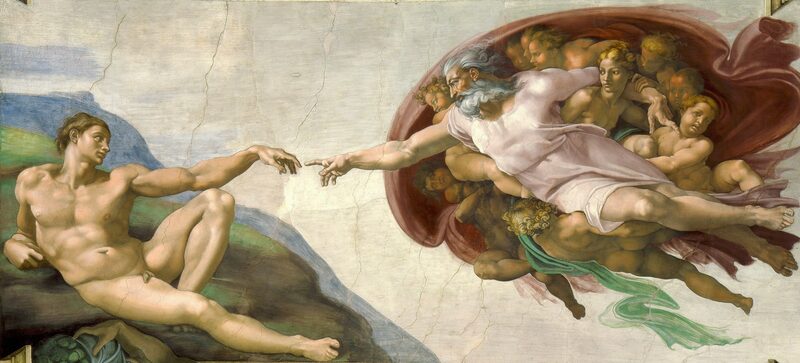
Michelangelo · 1508–1512
The Creation of Adam
Sistine Chapel, Vatican · Vatican City
The Creation of Adam is a fresco painting by Italian Renaissance artist Michelangelo, part of the Sistine Chapel ceiling…
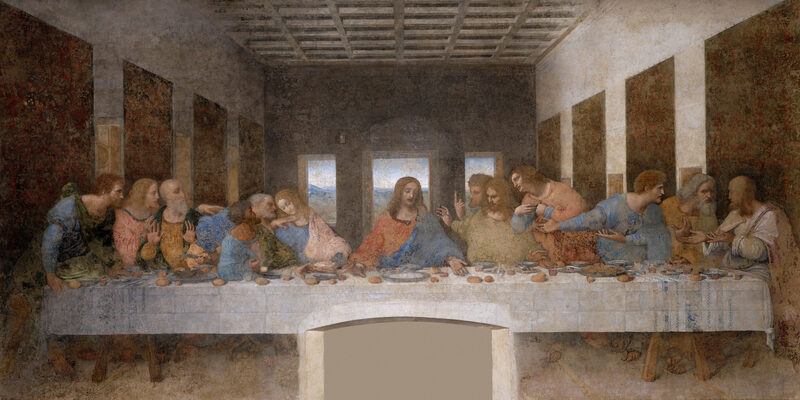
Leonardo da Vinci · 1495–1498
The Last Supper
Santa Maria delle Grazie · Milan
The Last Supper is a mural painting by Leonardo da Vinci, created between 1495 and 1498 on the end wall of the refectory…
The Persistence of Memory
Salvador Dalí
Image under copyright
Salvador Dalí · 1931
The Persistence of Memory
Museum of Modern Art (MoMA) · New York
The Persistence of Memory is an oil painting by Spanish Surrealist artist Salvador Dalí, created in 1931. It depicts a d…
Explore by Collection Type
The major categories of museum collection — and the institutions that hold the world's finest examples.
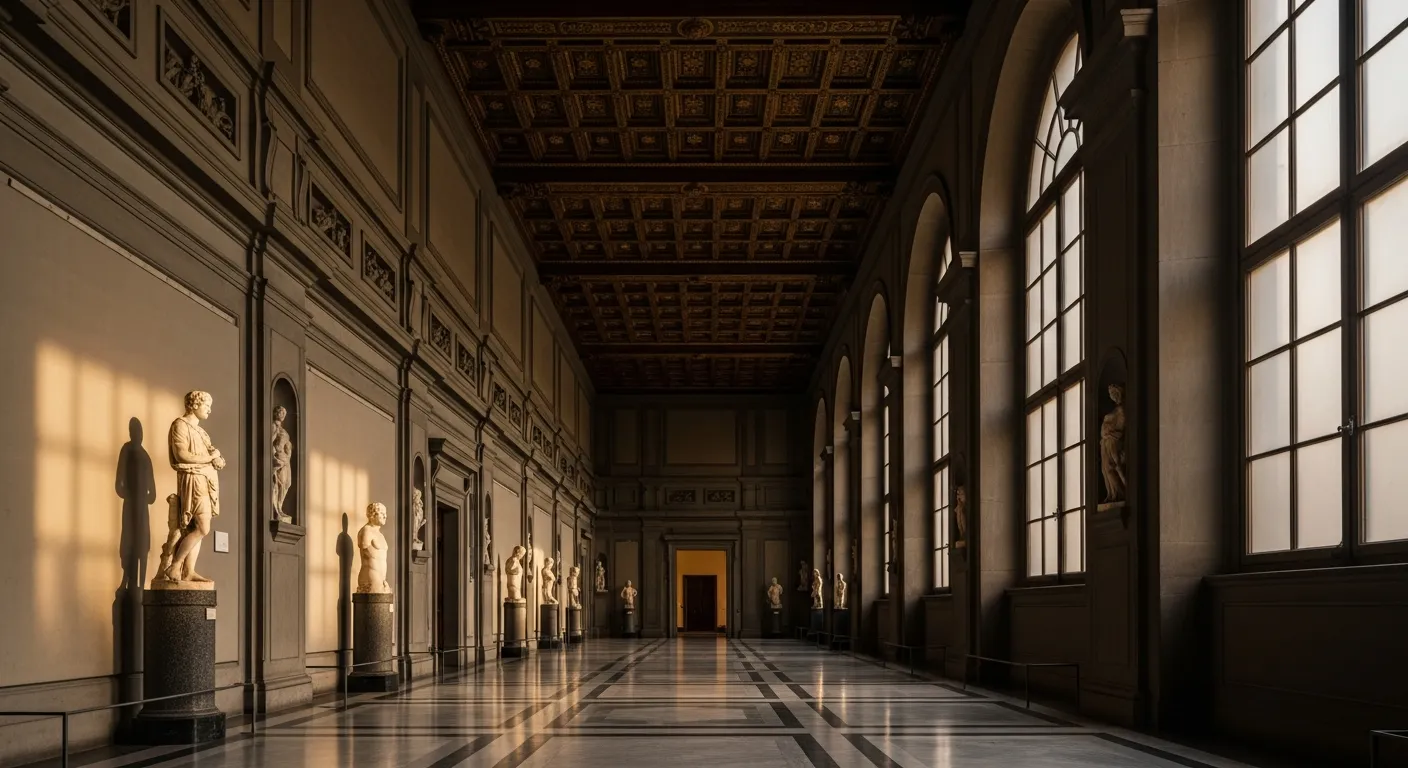
Art & Fine Art
The world's great art museums hold collections ranging from ancient Egyptian artefacts to twentieth-century masterworks. The Louvre, the Uffizi, the Hermitage, the Metropolitan Museum of Art, and the Prado each represent centuries of collecting, curating, and preserving the highest expressions of human creativity.
Key institutions:
Classical Antiquities
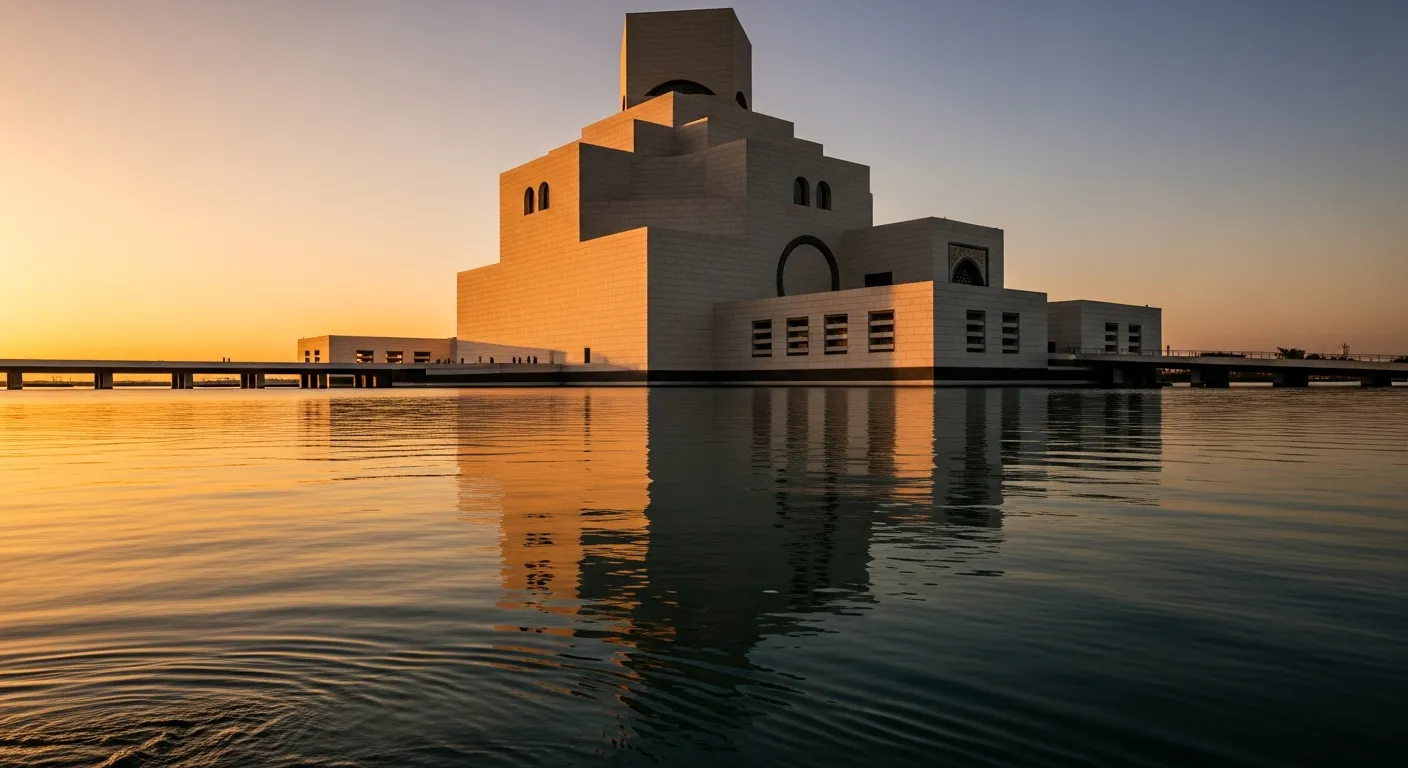
Ancient Greece, Rome, Egypt, and Mesopotamia are preserved in extraordinary depth across the world's encyclopedic museums. The British Museum holds the Elgin Marbles and the Rosetta Stone; the Vatican Museums house some of the finest Roman sculpture ever assembled in one place.
Key institutions:
World Heritage & Culture
Anthropological and ethnographic collections in major institutions document the material culture of civilisations from every continent. These collections sit at the centre of contemporary debates about provenance, repatriation, and what a museum's responsibilities are to the cultures it represents.
Key institutions:
Modern & Contemporary Art
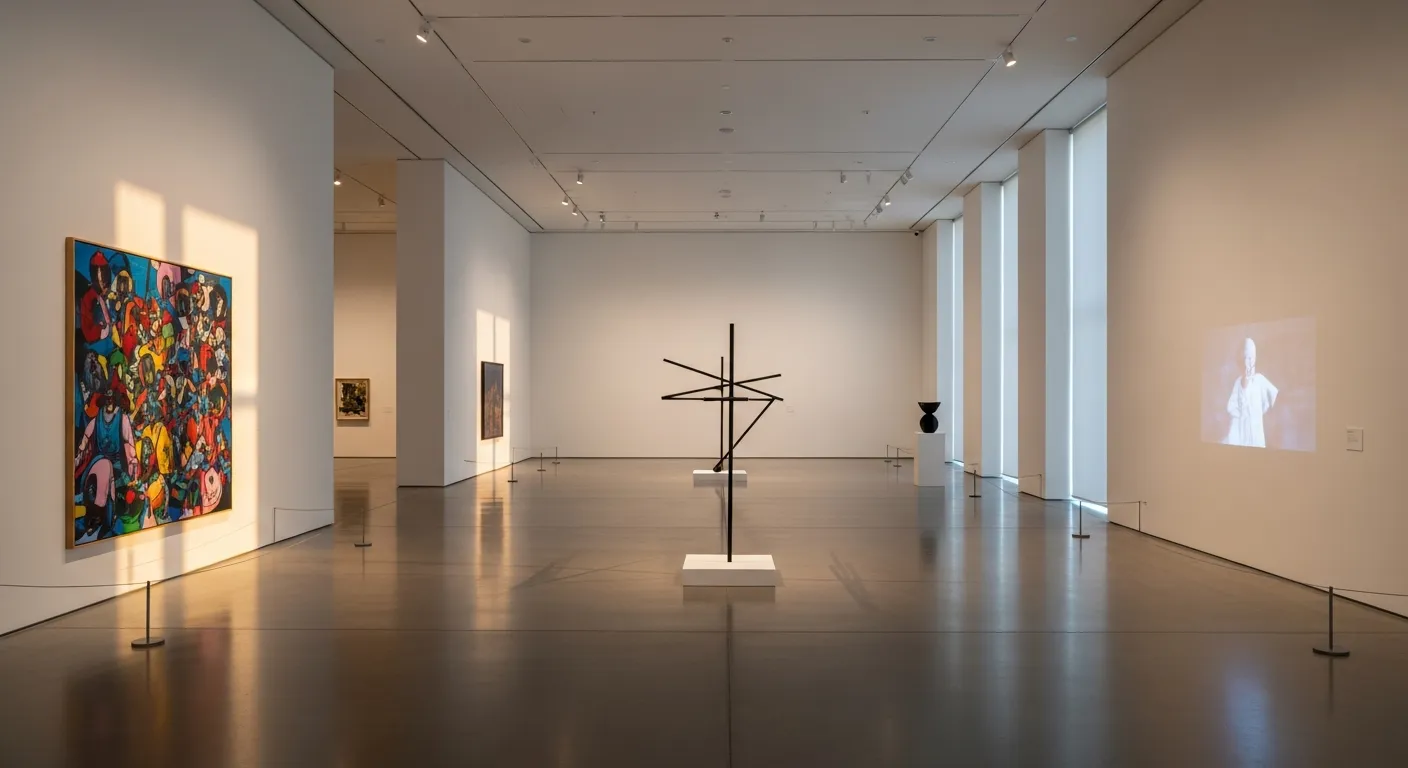
The twentieth century produced an unprecedented explosion of artistic movements — Impressionism, Cubism, Abstract Expressionism, Conceptual Art, and beyond. MoMA in New York, the Tate Modern in London, and the Centre Pompidou in Paris are the canonical institutions for this period.
Key institutions:
Natural History & Science
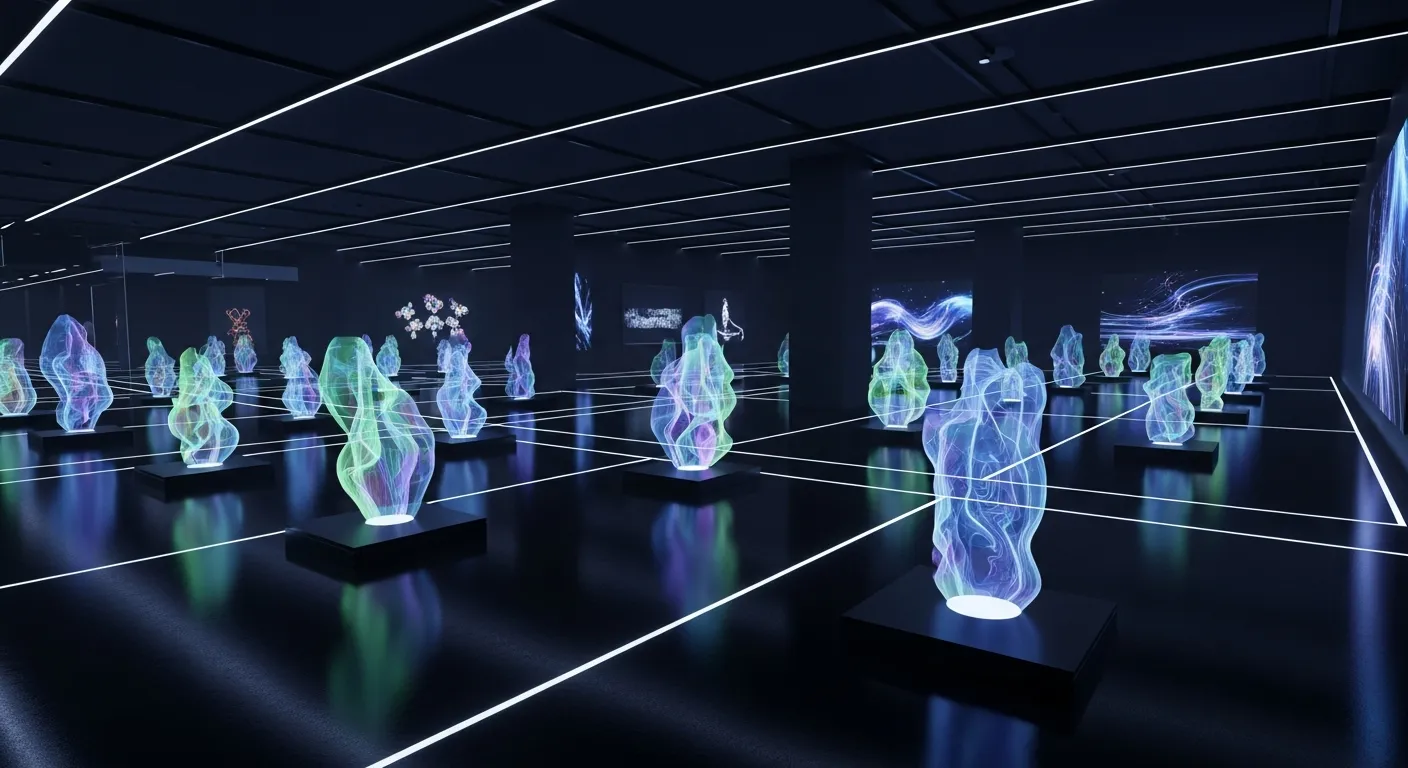
Natural history museums document the biological and geological history of Earth across billions of years. Science museums trace the story of human innovation. Both offer some of the most accessible and family-friendly museum experiences in the world, and many are free to enter.
Key institutions:
Explore our complete directory of world-class museums, organised by location and country.
Frequently Asked Questions
Common questions about museum collections, art types, and where to find the world's greatest works.