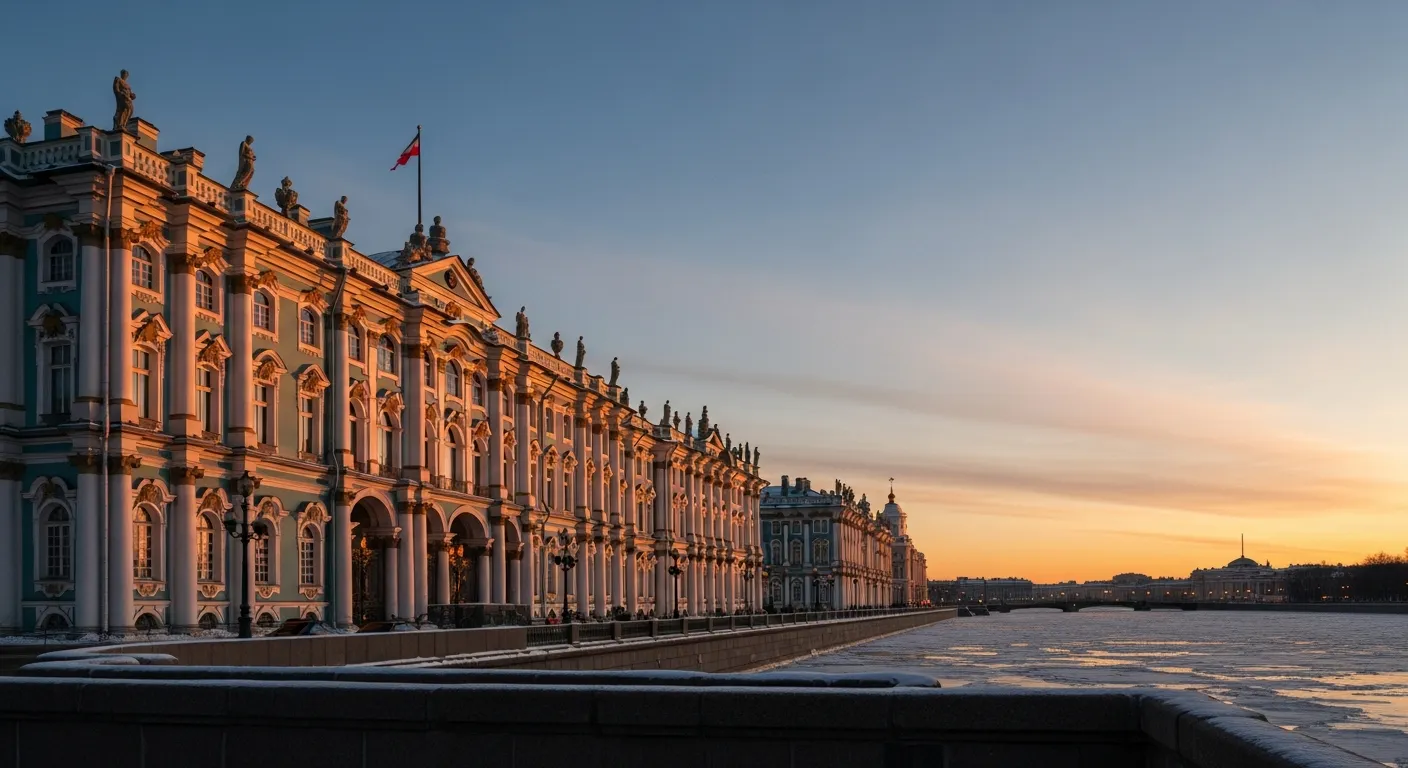
State Hermitage Museum
Saint Petersburg · Russia · Founded 1764
The largest art museum in the world by gallery space.
5 million
Annual Visitors
3 million objects; c. 70,000 on display
Collection
3–5 hours
Recommended Visit
Bartolomeo Rastrelli (Winter Palace, 1762) · Leo von Klenze (New Hermitage, 1852)
Architect
About State Hermitage Museum
The State Hermitage Museum is a museum of art and culture in Saint Petersburg, Russia. It is the largest art museum in the world by gallery space. It was founded in 1764 when Empress Catherine the Great acquired an impressive collection of paintings from the Berlin merchant Johann Ernst Gotzkowsky.
The museum celebrates the anniversary of its founding each year on 7 December, St. Catherine's Day. It has been open to the public since 1852.
Its collections, of which only a small part is on permanent display, comprise over three million items, including the largest collection of paintings in the world.
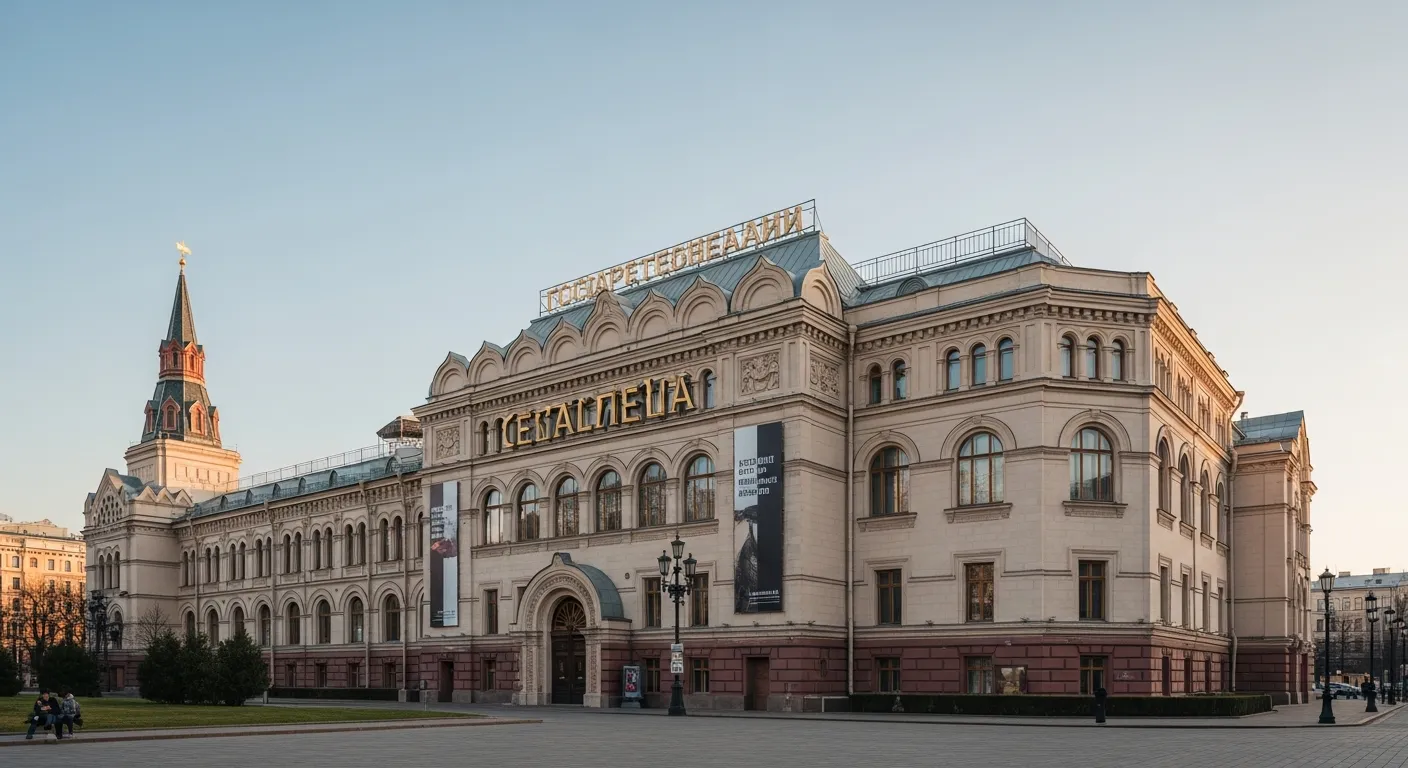
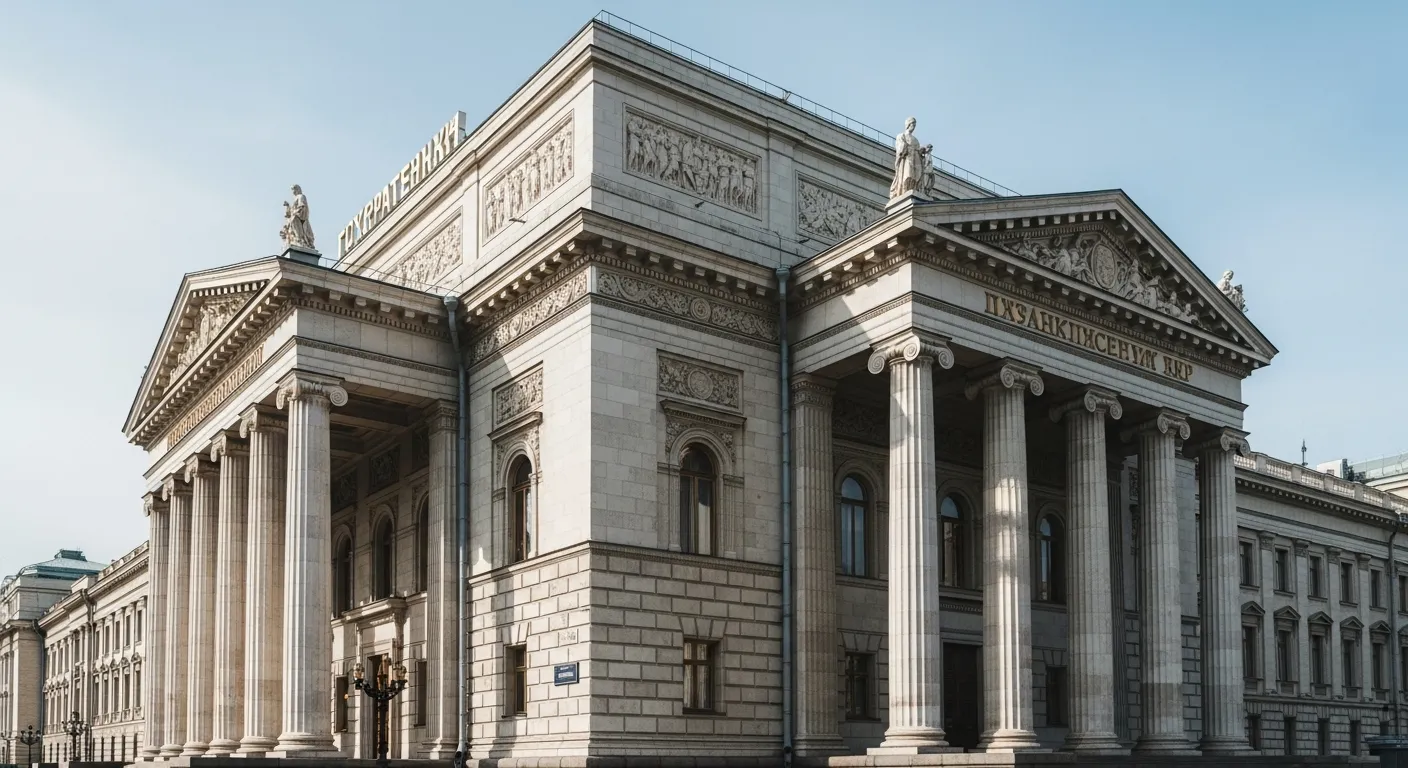
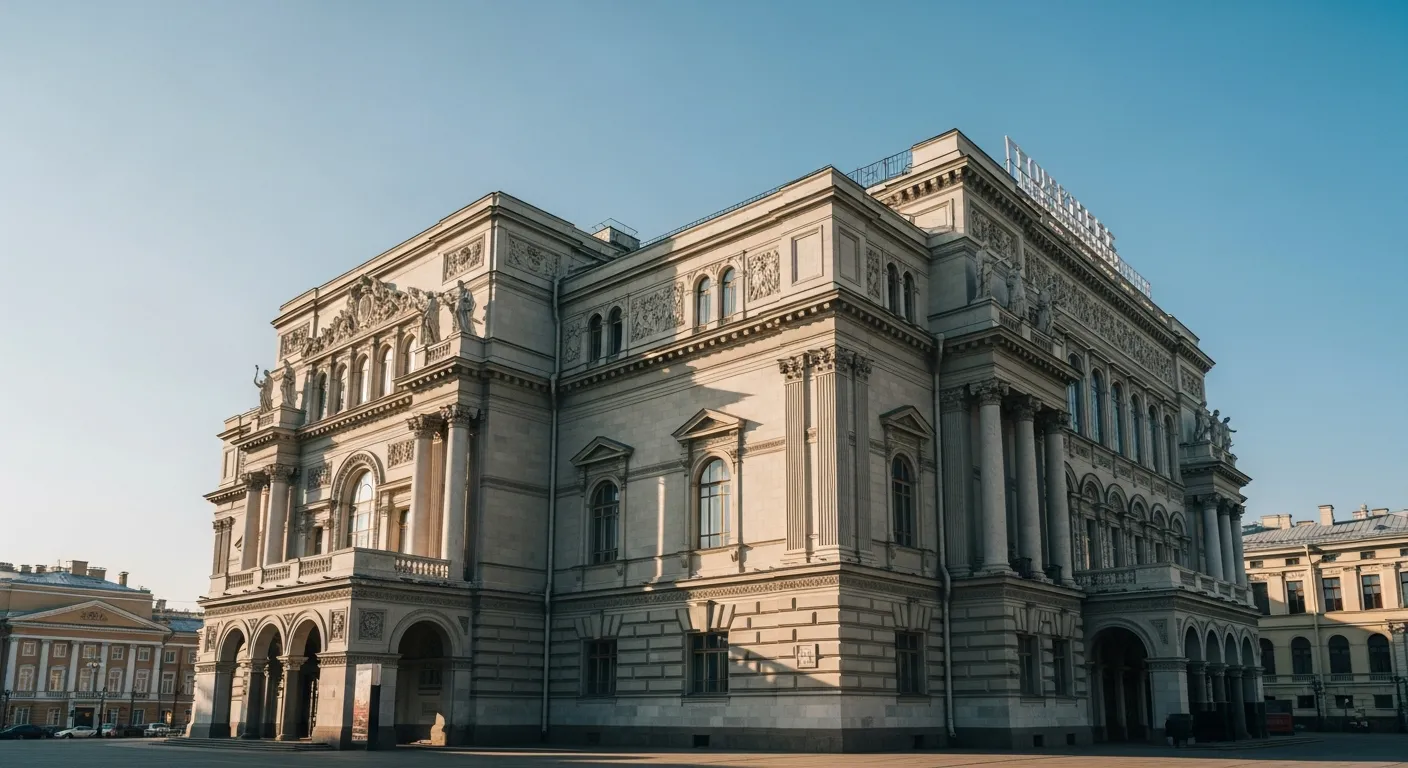
The collections occupy a large complex of six historic buildings along Palace Embankment, including the Winter Palace, a former residence of Russian emperors. Apart from them, the Menshikov Palace, Museum of Porcelain, Storage Facility at Staraya Derevnya, and the eastern wing of the General Staff Building are also part of the museum.
Masterworks & Must-See Highlights
The works that define State Hermitage Museum — and why they matter.
Madonna Litta
Leonardo da Vinci · c. 1490
Room 214, Italian Art (15th–16th century)
One of only 15–20 paintings attributed to Leonardo da Vinci. The tender image of the Madonna nursing the Christ Child exemplifies Leonardo's sfumato technique and understanding of human emotion.
Danae
Rembrandt van Rijn · 1636
Room 254, Dutch Art
Rembrandt's sensuous depiction of Danae awaiting her divine visitor was attacked with acid and slashed in 1985. The painstaking restoration — still visible in some areas — has become part of the work's story.
The Dance
Henri Matisse · 1910
Room 343, French Art of the 20th century
Matisse's monumental canvas of five nude figures dancing in a circle was commissioned by Russian collector Sergei Shchukin. Its radical simplification of form and pure, unmodulated colour were hugely influential on modern art.
Boy with a Dog
Bartolomé Esteban Murillo · c. 1655–1660
Room 239, Spanish Art
One of Murillo's celebrated genre scenes of street urchins — painted with an affection and immediacy rare in 17th-century Spanish art. The intimate relationship between boy and dog makes it one of the Hermitage's most universally loved works.
Collections & Highlights
Frequently Asked Questions
A small ask before you go
You've just explored one of humanity's greatest collections of beauty. Art has the power to move us, inspire us, and change how we see the world. But millions of people will never see beauty like this — not because the art isn't there, but because they can't see at all.
Preventable blindness, caused by conditions like cataracts and trachoma, affects people of all ages across the world's poorest communities. A small gift — for the cost of a museum ticket — can provide a simple surgery to restore someone's sight and transform their life.