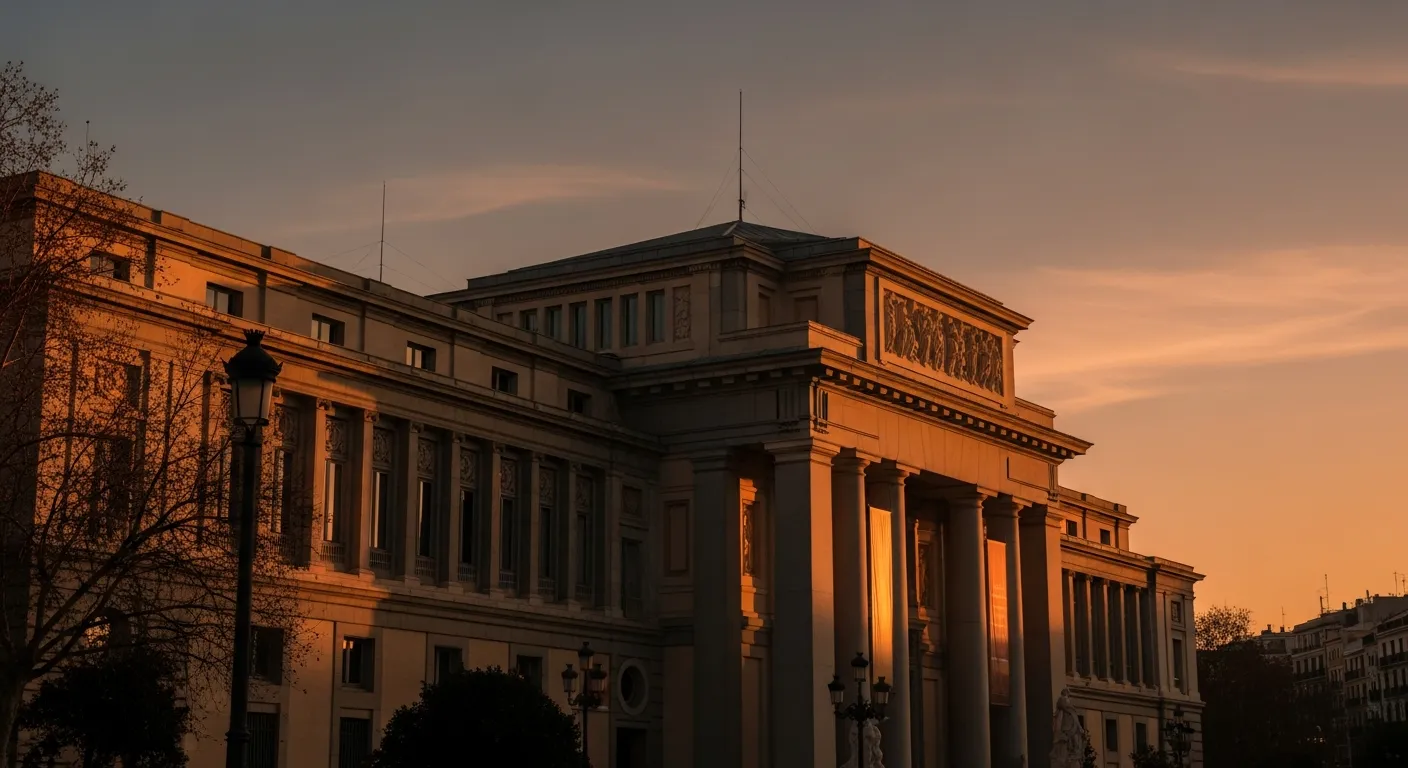
3.2 million
Annual Visitors
36,000+ works; 1,700 on display
Collection
2–4 hours
Recommended Visit
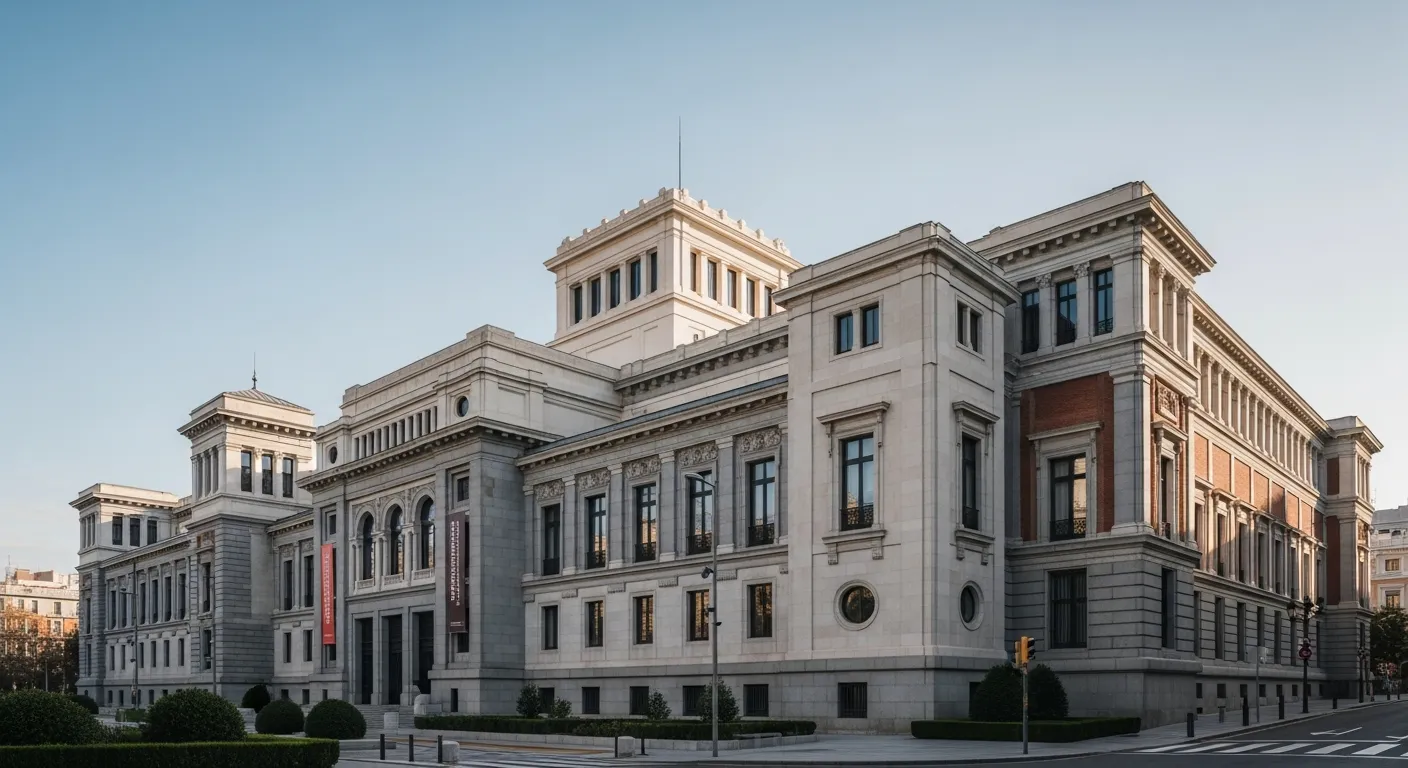
Juan de Villanueva (1819) · Rafael Moneo (extension, 2007)
Architect
About Museo del Prado
The Prado Museum is the main Spanish national art museum, located in central Madrid. It is widely considered to house one of the world's finest collections of European art, dating from the 12th century to the early 20th century.
Based on the former Spanish Royal Collection, it is the single best collection of Spanish art. Founded as a museum of paintings and sculpture in 1819, it also contains important collections of other types of works.
The numerous works by Francisco Goya, the single most extensively represented artist, as well as by Hieronymus Bosch, El Greco, Peter Paul Rubens, Titian, and Diego Velázquez, are some of the highlights of the collection.
Velázquez and his keen eye and sensibility were also responsible for bringing much of the museum's fine collection of Italian masters to Spain, now the largest outside Italy.
Masterworks & Must-See Highlights
The works that define Museo del Prado — and why they matter.
Las Meninas
Diego Velázquez · 1656
Room 012
Considered one of the most complex and debated paintings in Western art. It depicts a scene in the royal palace with the young Infanta Margarita surrounded by her ladies-in-waiting, while the artist himself stands at a large canvas.
Saturn Devouring His Son
Francisco Goya · 1819–1823
Room 067
One of Goya's harrowing "Black Paintings" painted directly onto the walls of his house. The frenzied titan consuming a writhing human body is now one of the most disturbing images in Western art history.
The Garden of Earthly Delights
Hieronymus Bosch · c. 1490–1510
Room 056A
A triptych of staggering complexity, depicting Paradise, earthly pleasures, and Hell in fantastical, grotesque detail. The Prado holds the finest collection of Bosch works outside his native Netherlands.
The Third of May 1808
Francisco Goya · 1814
Room 064
Goya's unflinching account of French soldiers executing Madrid civilians following the Peninsular War uprising. A founding work of modern anti-war art and a key influence on Manet's Execution of Maximilian and Picasso's Guernica.
The Triumph of Death
Pieter Bruegel the Elder · c. 1562
Room 056A
A sprawling vision of death's universality — an army of skeletons overwhelming humanity across a burning landscape. A masterpiece of Flemish art and one of the most extraordinary paintings of the northern Renaissance.
Collections & Highlights
Frequently Asked Questions
A small ask before you go
You've just explored one of humanity's greatest collections of beauty. Art has the power to move us, inspire us, and change how we see the world. But millions of people will never see beauty like this — not because the art isn't there, but because they can't see at all.
Preventable blindness, caused by conditions like cataracts and trachoma, affects people of all ages across the world's poorest communities. A small gift — for the cost of a museum ticket — can provide a simple surgery to restore someone's sight and transform their life.